CASE STUDY:

Been There
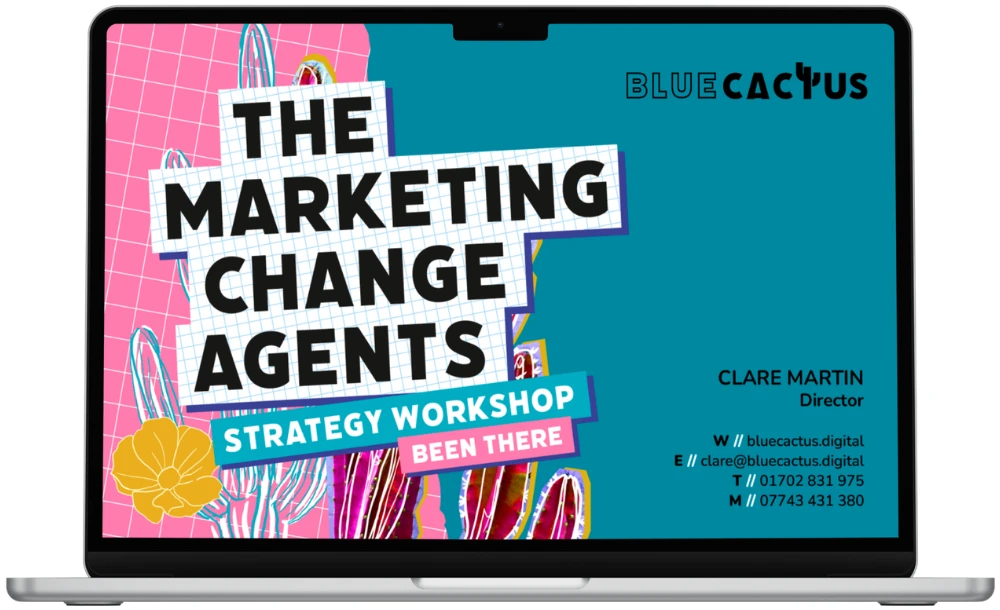
Been There, Digital Marketing case study by Blue Cactus Digital

Been There is a charity supporting people experiencing body image concerns through peer listening and compassionate support. Operating in a sensitive space, the organisation needed a clear, thoughtful marketing and communications strategy that could raise awareness, encourage engagement and build trust, while remaining grounded in empathy, safeguarding and lived experience.

WHAT WE DID FOR BEEN THERE:

We worked closely with Been There to develop a clear marketing and communications strategy following an intensive strategy day. This process focused on understanding the charity’s purpose, audiences and delivery model, ensuring communications reflected the importance of listening, care and non-judgemental support rather than awareness alone. Audience identification and messaging were central to the work. We helped clarify how the charity speaks to those seeking support, potential volunteers and partners, ensuring language remained inclusive, reassuring and appropriate for people navigating body image challenges. Messaging frameworks were developed to support consistency across channels while allowing flexibility as the organisation grows. We also provided guidance on channel priorities and content structure, helping Been There focus its efforts where they would have the most impact. This created a practical framework that could support day-to-day communications while remaining aligned with safeguarding principles and organisational capacity.

Been There client logo

IN CONCLUSION

A clear, values-led marketing and communications strategy has given Been There a strong foundation for growth. By centring empathy, listening and trust, the organisation is better equipped to communicate its purpose clearly and responsibly, supporting greater awareness and engagement without compromising the care at the heart of its work.

Interested in a similar project?

BOOK A PLANNING SESSION
In more detail

Behind the Been There strategy

The challenge

Body image is deeply personal. Talking about it in public carries risk. A phrase that feels kind to one person can feel judgemental to another.

Been There needed to be visible without adding pressure. It also had to speak to people seeking support, potential volunteers and partners, each with different needs. All of that had to work within the limits of a charity's time and capacity.

Our approach

We began with listening. The strategy day gave us space to understand why the charity exists, who it serves and how support is actually delivered. Only then did we turn to messaging and channels.

  • Audience first: we defined who the charity needs to reach and what each group needs to hear.
  • Language with care: we shaped wording to be inclusive, reassuring and free from pressure.
  • Simple frameworks: messaging guidance that different people can pick up and use consistently.
  • Clear priorities: advice on where to spend limited time, and what to leave alone for now.
  • Safeguarding throughout: every recommendation was tested against the charity's duty of care.

What changed

This was a strategy project, so success is about clarity rather than headline figures. Been There now has a shared way of describing its work, and a clearer sense of who it is talking to and why.

Day-to-day communications are easier to plan because the priorities are agreed. The team can stay consistent without sounding scripted, and there is room to adapt as the charity grows.

What other organisations can learn

Sensitive subjects need a different starting point. Before you plan campaigns, agree what you will never say, and what you always want people to feel.

  • Write down your values and let them guide your tone.
  • Treat each audience separately. A volunteer and a person seeking help need different words.
  • Choose fewer channels and do them well.
  • Build safeguarding into content planning from the start, not as a final check.

Frequently asked questions

What happens on a strategy day?

It is a focused working session where we explore your purpose, audiences and how you deliver your service. We leave with shared decisions on priorities and tone, which we then turn into a practical written plan.

Can marketing be done responsibly for sensitive causes?

Yes, if it starts with care rather than reach. That means considering how language lands, who might be reading and what support is available. Good marketing here builds trust before it asks for action.

Do small charities need a full marketing strategy?

A small, clear strategy is often more useful than a large one. It helps you decide where to focus limited time and keeps your message consistent across everyone who speaks for you.

How do you involve lived experience in communications?

We encourage organisations to involve people with lived experience when testing language and ideas. Their insight helps keep messaging honest, respectful and grounded in what people actually need.