CASE STUDY:

Reset Connect
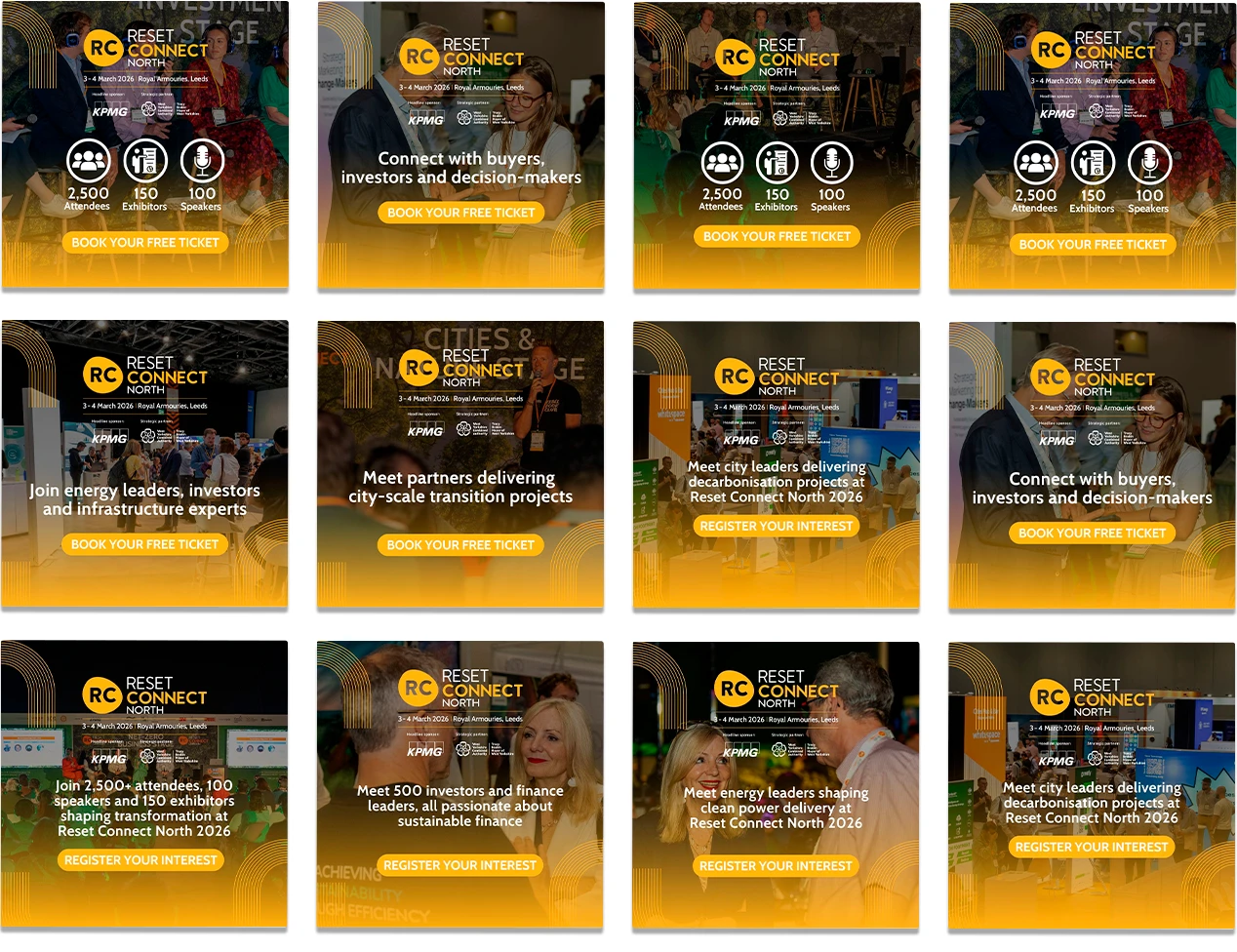
Reset Connect, Digital Marketing case study by Blue Cactus Digital

Reset Connect London is the flagship event for London Climate Action Week, bringing together innovators, investors, policymakers and businesses focused on climate solutions. Blue Cactus Digital initially supported Reset Connect London with a performance-led digital marketing approach, and now continues to support both Reset Connect London and Reset Connect North as the event series grows. The challenge has been to drive high-quality registrations across diverse professional audiences while maintaining control over acquisition costs.

WHAT WE DID FOR RESET CONNECT:

We planned, delivered and managed multi-channel paid advertising campaigns across platforms including Google Ads, LinkedIn and Meta. Campaigns were structured around clear audience segmentation, funnel stages and event timelines, allowing messaging and creative to be tailored to intent, role and sector relevance across both events. Targeting, creative formats and budget allocation were continuously tested and refined. This data-led approach allowed us to optimise performance over time, ensuring campaigns remained efficient while maintaining strong reach and relevance. Through ongoing optimisation, cost per acquisition was reduced from £40 to £25 without compromising lead quality. We also provided clear reporting and regular check-ins throughout delivery. Performance insights were shared consistently to support informed decision-making, allowing activity to adapt in line with event priorities, timelines and audience behaviour across both London and North programmes.

Reset Connect client logo

IN CONCLUSION

A focused, data-driven advertising strategy has delivered improved efficiency and stronger return on investment for Reset Connect. Strategic digital marketing management continues to support the growth and sustainability of both Reset Connect London and Reset Connect North, helping the events reach the right audiences at scale while maintaining performance discipline.

Interested in a similar project?

BOOK A PLANNING SESSION
In more detail

Behind the results: marketing an event series with a mixed audience

The challenge

Event marketing is not like selling a product. There is a fixed date, a defined audience and no second chance once the doors open. Reset Connect adds another layer, because the audience is so varied. Innovators, investors, policymakers and business leaders all care about climate solutions, but for very different reasons.

One message rarely works for all of them. Costs can also creep up as the same people see the same adverts again and again. The task was to keep the right people registering, across two events, without letting acquisition costs drift.

Our approach

We treated each audience as its own conversation. Instead of one broad campaign, we separated people by role, sector and how close they were to registering. Each platform then had a clear job.

Reporting kept everyone in step. Regular check-ins meant event priorities could shape the next round of testing, rather than the other way round.

  • Google Ads to meet people already searching for the event or related topics.
  • LinkedIn to reach professionals by job role and sector.
  • Meta to widen reach and remind people who had already shown interest.
  • Creative and messaging adjusted for each stage, from first awareness to final nudge.

What changed

The clearest change is cost. Each registration became cheaper to win, moving from £40 to £25, and the quality of leads held up. That is the part that matters. A cheap registration from the wrong person is no use to an event organiser.

There is a quieter change too. Our support began with Reset Connect London and now covers Reset Connect North as well. Shared reporting gives the team a clear view of what is working, so decisions about budget and timing rest on evidence rather than guesswork.

What other organisations can learn

The lessons apply well beyond climate events. If you promote conferences, webinars or fundraising events in health, care or the charity sector, the same thinking will help. Remember to collect and store registration data in line with GDPR.

Cost per acquisition is only useful when you know what a good lead looks like for you.

  • Segment your audience before you spend, not after.
  • Build campaigns around your event timeline.
  • Judge success on lead quality as well as cost.
  • Share performance data often, so changes happen early.
  • Keep testing audiences, formats and budgets throughout.

Frequently asked questions

How soon can paid advertising improve for an event?

The early weeks are mostly about learning which audiences and messages respond. Improvements build as data comes in, so starting well ahead of your event date gives you far more room to refine.

Do you need to use every ad platform?

No. The right mix depends on who you want to reach and how they make decisions. We recommend platforms based on your audience and goals, then adjust as results come in.

How do you make sure leads are good quality?

We agree what a good lead looks like before campaigns launch, such as role, sector or intent. We then check performance against that, not just against the number of sign-ups.

Can this approach work for smaller events or charities?

Yes. The principles of clear segmentation, steady testing and honest reporting work at any scale. A smaller budget simply means being sharper about who you target and what you test first.